

 English
 Español
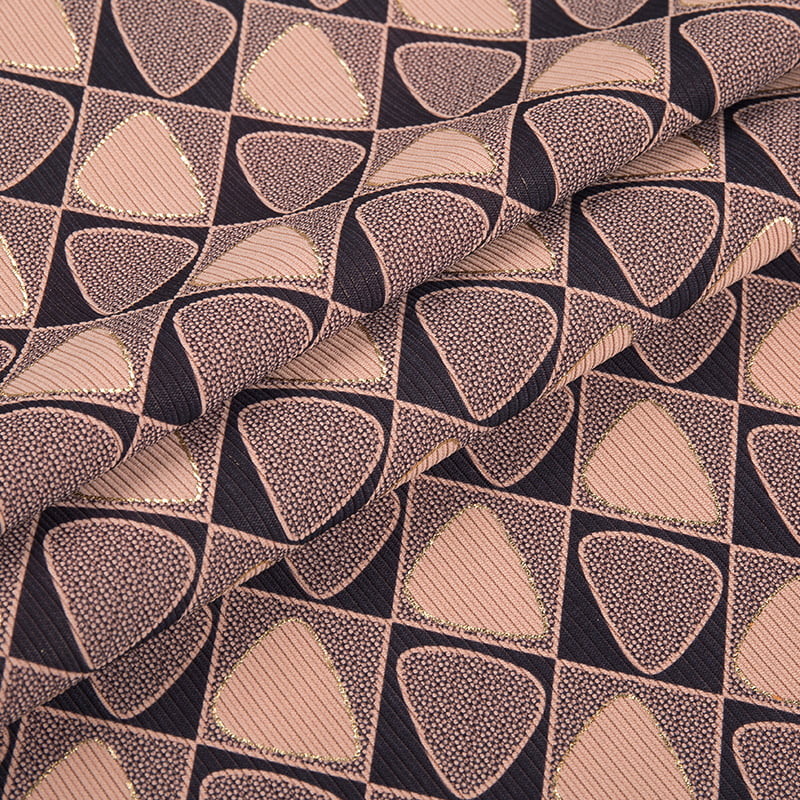
When it comes to textiles, few materials capture both the artistry and technical sophistication of woven fabrics. Among these, Jacquard fabric and brocade are often discussed, but many people confuse the two or use the terms interchangeably. While they share some similarities, they have distinct characteristics, histories, and applications. Understanding these differences can help consumers, designers, and textile enthusiasts make informed decisions.
Understanding Jacquard Fabric
Origins and Definition
Jacquard fabric refers to any fabric woven using a Jacquard loom. The Jacquard loom, invented by Joseph Marie Jacquard in 1804, was revolutionary because it allowed for the automatic control of individual warp threads via punched cards. This innovation enabled the creation of intricate patterns without the need for hand-weaving.
Today, Jacquard fabric is defined not by the material or the pattern itself, but by the weaving technique. Any type of yarn—silk, cotton, polyester, or blends—can be used in Jacquard weaving. The hallmark of Jacquard fabric is the presence of complex, woven patterns that are integral to the fabric, rather than printed or embroidered on top. Common patterns include florals, geometrics, damasks, and abstract motifs.
Characteristics of Jacquard Fabric
- Complexity of Patterns: Jacquard weaving allows for highly detailed and intricate designs that are woven directly into the fabric.
- Durability: Since the patterns are woven and not printed, Jacquard fabrics tend to be durable and maintain their design even after repeated washing.
- Texture and Feel: Depending on the type of yarn, Jacquard fabric can range from smooth and glossy to textured and embossed.
- Versatility: Jacquard can be used in a wide range of applications, including upholstery, drapery, fashion garments, and home textiles.
Common Uses
- Fashion: Dresses, jackets, suits, and skirts often incorporate Jacquard for its elegant patterns and luxurious feel.
- Home Decor: Curtains, cushion covers, and upholstery benefit from Jacquard’s durability and design versatility.
- Accessories: Scarves, handbags, and ties frequently feature Jacquard patterns to create visually appealing details.
Understanding Brocade
Origins and Definition
Brocade is a specific type of decorative fabric that emerged centuries ago, particularly in regions like China, India, and Europe. Traditionally, brocade referred to rich, luxurious fabrics woven with raised patterns, often incorporating metallic threads such as gold or silver.
The word “brocade” comes from the Italian broccato, meaning “embossed cloth,” reflecting its textured and ornate nature. Unlike Jacquard, which refers broadly to the weaving method, brocade is defined by its decorative qualities, the use of relief patterns, and often its association with opulence.
Characteristics of Brocade
- Decorative Patterns: Brocade designs are often floral, heraldic, or geometric, with a raised effect that gives the fabric depth.
- Use of Metallic Threads: Traditional brocade frequently incorporates threads of gold, silver, or other metallic fibers to enhance its richness.
- Heaviness: Brocade tends to be heavier than many other fabrics due to the extra threads used to create raised designs.
- Luxury Appeal: Brocade is generally associated with formal or ceremonial attire and high-end upholstery.
Common Uses
- Fashion: Evening gowns, wedding dresses, and ceremonial robes often feature brocade due to its opulent appearance.
- Home Decor: Brocade is used in curtains, wall coverings, and decorative cushions in traditional or classical interiors.
- Cultural and Historical Garments: Brocade has a long-standing association with royalty, clergy vestments, and historical costumes.
Key Differences Between Jacquard Fabric and Brocade
While both Jacquard and brocade involve intricate weaving, several distinctions set them apart:
| Feature | Jacquard Fabric | Brocade |
| Definition | Refers to any fabric woven on a Jacquard loom | A type of decorative fabric with raised patterns, often luxurious and ornate |
| Technique | Woven using Jacquard loom (patterns integrated in weave) | Can be woven on Jacquard loom but emphasizes raised, decorative motifs |
| Pattern | Usually intricate, flat, and integrated with the weave | Raised, embossed, often with metallic threads or contrasting textures |
| Material | Any fiber (cotton, silk, polyester, etc.) | Traditionally silk or blends, often with metallic threads |
| Texture | Varies from smooth to textured | Typically heavier and more textured due to extra threads |
| Uses | Everyday clothing, home decor, accessories | Formal wear, ceremonial clothing, luxury interiors |
| Price Point | Generally moderate, depending on material | Often higher due to luxurious materials and complexity |
Pattern and Texture
The most visible distinction lies in the pattern and texture. Jacquard patterns are woven and may be smooth or slightly textured. Brocade patterns, however, are designed to stand out and appear raised, often giving the fabric a three-dimensional effect.
Material and Luxury
Brocade often uses premium threads like silk and metallic fibers to create a rich, luxurious appearance. Jacquard fabric is more flexible in terms of materials, which allows for a wider range of textures and affordability.
Use Cases and Perception
Brocade is commonly associated with formality and luxury, often chosen for special occasions or traditional settings. Jacquard fabric, while elegant, is more versatile and suitable for everyday fashion and home applications.
Similarities Between Jacquard Fabric and Brocade
Despite their differences, Jacquard fabric and brocade share several similarities:
- Intricate Weaving: Both fabrics rely on detailed weaving techniques that create complex patterns.
- Durability: Woven patterns are generally long-lasting compared to printed designs.
- Versatility in Design: Both allow for a wide range of motifs and designs, from florals to geometric shapes.
- Use of Technology: Modern brocade is often woven on Jacquard looms, meaning many brocades today are technically Jacquard fabrics as well.
This overlap sometimes causes confusion, but the distinction lies in the decorative intent and use of raised, luxurious patterns in brocade.
How to Identify Jacquard Fabric vs. Brocade
- Examine the Pattern: Jacquard patterns are usually flat and part of the fabric, while brocade has raised designs that can often be felt.
- Check the Material: Brocade frequently uses silk and metallic threads, while Jacquard can be any fiber.
- Feel the Weight: Brocade tends to be heavier due to extra threads for raised designs.
- Consider the Use: Brocade is often reserved for special occasions or decorative purposes, whereas Jacquard fabric can be more versatile.
Modern Trends
With advances in textile manufacturing, the lines between Jacquard and brocade have blurred. Many modern brocades are woven on Jacquard looms, combining traditional ornate designs with contemporary production efficiency. Similarly, designers use Jacquard weaving techniques to create visually striking fabrics for fashion, home decor, and accessories. Understanding the historical context and technical distinctions helps consumers appreciate both fabrics’ value.
Conclusion
In summary, while Jacquard fabric and brocade share a foundation in sophisticated weaving, they serve different purposes and carry distinct characteristics. Jacquard is defined by the loom and weaving technique, offering flexibility and durability, while brocade is defined by its ornate, raised patterns and luxurious appeal. Recognizing these differences allows designers, consumers, and enthusiasts to make informed choices, whether selecting textiles for fashion, interiors, or cultural garments.
By understanding the nuances of Jacquard and brocade, one can better appreciate the artistry behind these fabrics and select the right material for the intended application.