

 English
 Español
Understanding Oxford Fabric
Oxford fabric is a distinctive basketweave textile characterized by its durability and textured surface. Originally developed in 19th-century Scotland, this fabric has become a staple in clothing and accessories due to its unique combination of strength and comfort.
When you first touch Oxford fabric, you'll notice its slightly raised texture created by the basketweave pattern. This texture gives the material a dimensional quality that feels more substantial than plain weaves while remaining comfortable against the skin.
Tactile Characteristics
The tactile experience of Oxford fabric can vary based on several factors including thread count, fiber content, and finishing processes. However, some common characteristics define its essential feel:
Surface Texture
Oxford fabric has a distinctive nubby texture created by the basketweave pattern. This texture is perceptible to the fingertips but smooth enough for comfortable wear.
Flexibility
Despite its sturdy construction, Oxford fabric maintains a flexible drape. It moves comfortably with the body without feeling stiff or restrictive.
Substance
There's a satisfying heft to Oxford fabric that conveys durability. It feels substantial without being heavy, offering a reassuring quality in garments.
Breathability
The basketweave structure creates tiny air pockets that enhance breathability. This makes the fabric comfortable in various temperature conditions.
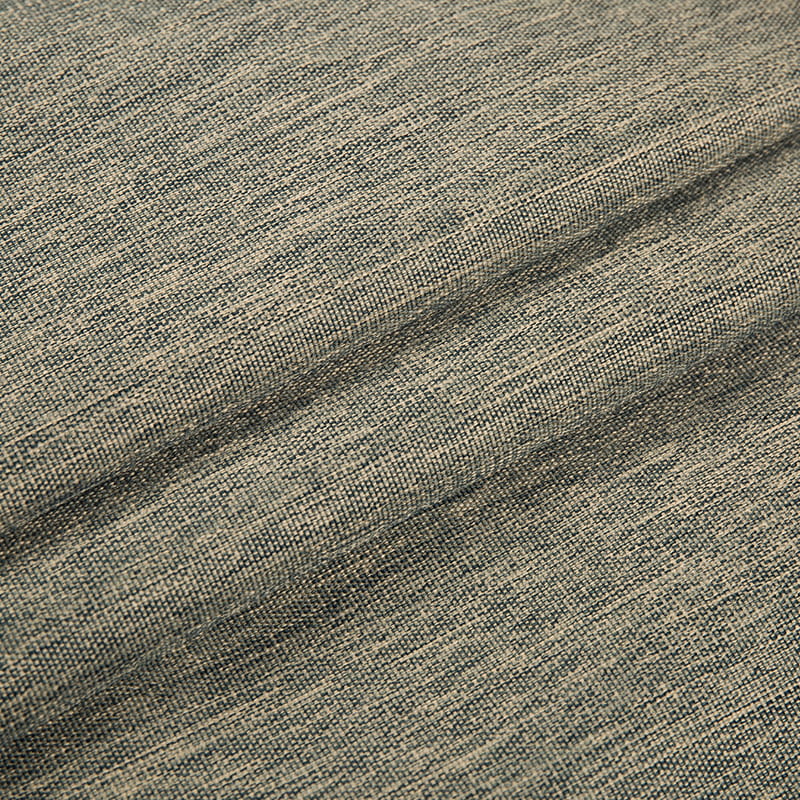
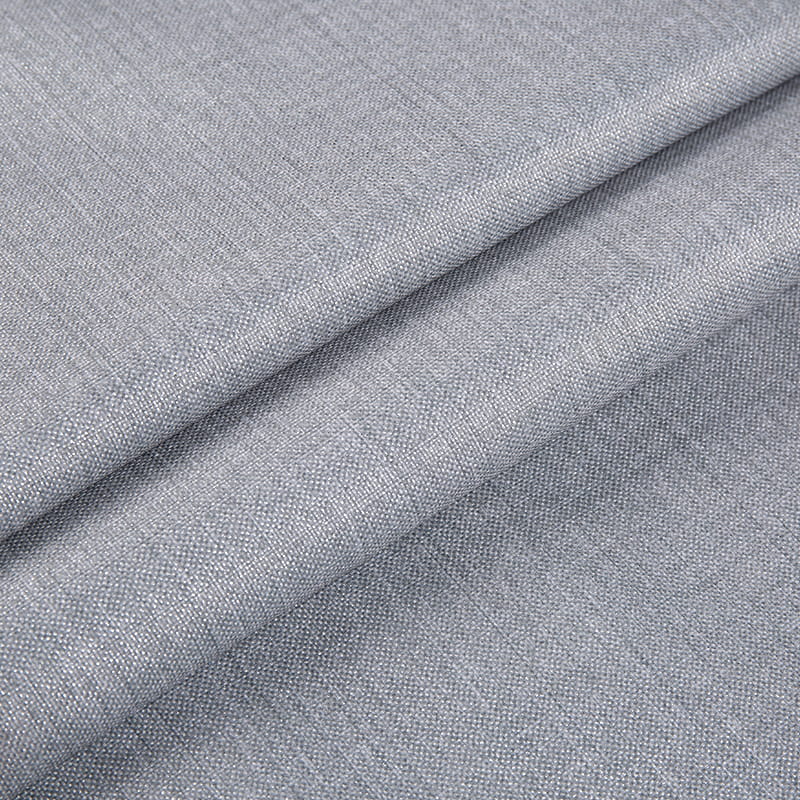
Texture Visualization
This visualization represents the characteristic basketweave pattern of Oxford fabric. The raised texture creates a dimensional surface that's both visually interesting and pleasant to touch.
Factors Influencing Feel
| Factor | Effect on Feel | Typical Experience |
| Thread Count | Higher thread counts create smoother surfaces | 200-400 thread count provides optimal balance |
| Fiber Content | Cotton offers softness, polyester adds crispness | Cotton blends provide the most comfortable feel |
| Weave Tightness | Tighter weaves feel smoother and more substantial | Standard Oxford weave has characteristic texture |
| Finishing Process | Mercerization adds sheen and softness | Brushed finishes create exceptionally soft feel |
| Yarn Thickness | Thicker yarns create more pronounced texture | Medium-weight yarns offer best tactile experience |
Tactile Scale Comparison
Silk Satin:Very Smooth
Cotton Poplin:Smooth
Oxford Fabric:Textured
Canvas:Rough
Burlap:Coarse
Oxford fabric occupies a middle position on the tactile spectrum - more textured than smooth fabrics like poplin, but significantly softer than coarse materials like canvas or burlap.
Long-Term Wear Experience
Oxford fabric develops a uniquely comfortable character over time. With repeated wear and washing, the fibers soften while maintaining structural integrity. This evolution creates a personalized feel that many wearers appreciate:
The initial crispness gradually gives way to a supple softness that retains the distinctive Oxford texture. Unlike some fabrics that wear thin, Oxford maintains its substance while becoming more comfortable against the skin. This break-in period transforms the fabric from a sturdy textile to a comfortable companion that molds to the wearer's movements.
Care and Maintenance
Proper care significantly impacts how Oxford fabric feels over time. Follow these guidelines to maintain optimal texture:
• Machine wash in cool or warm water (not exceeding 40°C/104°F)
• Use mild detergent and avoid bleach
• Tumble dry on low heat or line dry
• Iron while slightly damp using medium heat
• Store in a cool, dry place away from direct sunlight
With proper care, Oxford fabric maintains its distinctive feel for years. The texture softens pleasantly while retaining its characteristic weave pattern and durability.