

 English
 Español
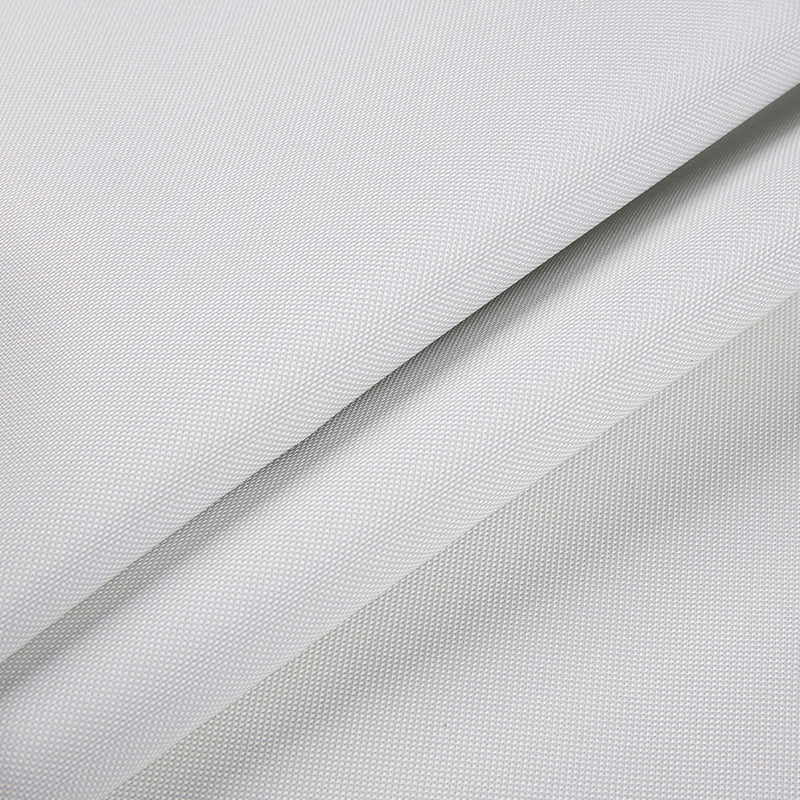
Overview: Why specific care matters for Low-Stretch Silk Oxford Fabric
Low-Stretch Silk Oxford Fabric combines silk's natural luster with an Oxford weave structure that reduces give. Because it is less forgiving than knit or blended stretch fabrics, simple mistakes (high heat, harsh agitation, or alkaline detergents) can distort the weave, dull the sheen, or cause localized shrinkage. Proper care preserves appearance, hand-feel, and the fabric's dimensional stability.
Label first: check manufacturer instructions and test a hidden area
Always start by reading the supplier's care label. If the label is missing, perform a spot test: choose an inconspicuous seam allowance or inside hem and apply the detergent, water temperature, or solvent you intend to use. Wait and inspect for shrinkage, color loss, or finish change before proceeding to whole-garment treatment.
Hand washing: the safest routine for most pieces
Hand washing is the recommended home-care method for Low-Stretch Silk Oxford Fabric because it minimizes mechanical stress and temperature shock.
- Use cool to lukewarm water (20–30°C / 68–86°F). Avoid hot water which can weaken fibers and alter the weave.
- Choose a mild, pH-neutral or silk-specific detergent. Avoid bleaches, enzymes, and high-alkaline laundry soaps.
- Gently submerge and swirl the fabric for 2–5 minutes; do not rub or scrub. Lift and lower the fabric rather than vigorous stirring.
- Rinse thoroughly in the same temperature range until the water runs clear to avoid detergent residue that dulls luster.
- To remove excess water, press the fabric between two clean towels—do not wring or twist, which can distort the Oxford weave.
Machine washing: rules if you must use a washer
If machine washing is unavoidable, follow strict precautions to reduce risk.
- Use a front-loading machine with a delicate or silk cycle. Top-load agitators increase abrasion and should be avoided.
- Place the item in a tightly closed mesh laundry bag to minimize friction and snagging.
- Select cold water and the shortest, gentlest spin acceptable. Use a silk-friendly detergent and turn garments inside-out.
- Remove promptly at cycle end to prevent creasing and prolonged dampness which can set wrinkles or water spots.
Drying: flat, shaded, and stress-free
Drying technique determines whether shape and surface qualities are preserved.
- Lay flat on a clean, absorbent towel or drying rack with the fabric smoothed to its intended shape. Avoid clothespins that pinch and leave marks.
- Dry in a shaded, well-ventilated area. Direct sunlight can cause fading and weaken silk fibers over time.
- Never tumble dry Low-Stretch Silk Oxford Fabric. Heat and tumbling motion can shrink, felt, or change the weave tension irreversibly.
Ironing and steaming: correct temperature and technique
Ironing restores flatness and finish—but must be done carefully.
- Use a low-heat iron setting appropriate for silk (often labeled "silk" or the lowest synthetic heat). High heat will scorch or change the fabric hand.
- Work on the reverse side or place a clean pressing cloth between iron and fabric to prevent shine and direct heat damage.
- When using steam, maintain a small distance: either use the iron's steam function briefly or a handheld steamer from 10–20 cm away to relax fibers without wetting them excessively.
- Avoid heavy pressing—light, quick passes are preferable. For stubborn creases, re-humidify lightly and press gently rather than prolonged high-heat contact.
Stain treatment: act fast, use gentle chemistry
Immediate, appropriate action reduces the chance of permanent staining or finishing damage.
- Blot liquids with a clean white cloth—do not rub. Blot from outer edge toward the center to avoid spreading.
- For oily stains, sprinkle a small amount of cornstarch, let sit for 20–30 minutes, then brush away and treat the residue with a mild solvent approved for silk (test first).
- For protein stains (sweat, blood), use cool water and a mild enzymatic-free detergent; hot water will set protein stains.
- Avoid common household bleaches. If whitening is necessary, use only color-safe, silk-approved oxidizing products and test first.
- When in doubt, consult a professional textile cleaner—do not attempt aggressive chemical treatments at home.
Dry cleaning: when professional care is recommended
Dry cleaning is ideal for complex garments, heavy soiling, structured pieces, or items with lining, interfacings, or coatings that react poorly to water.
- Inform the cleaner that the fabric is Low-Stretch Silk Oxford Fabric and point out any trims, buttons, or sensitive areas.
- Ask which solvent they will use (e.g., hydrocarbon vs. perchloroethylene) and confirm they will test for colorfastness and finish compatibility.
- For lightly soiled or frequently washed garments, alternate between professional and gentle home care to extend garment life and reduce exposure to solvents.
Storage: protect shape and finish long-term
Correct storage prevents creasing, yellowing, and pest damage.
- Store in a cool, dry, dark place with stable humidity (40–55%). High humidity encourages mold; low humidity can dry fibers and cause brittleness.
- Use breathable garment bags (cotton or muslin) rather than plastic, which traps moisture and encourages discoloration.
- Fold along natural lines with tissue paper cushioning folds for heavy garments; hang lighter shirts on padded hangers to support shoulder shape without stretching.
- If moths are a concern use cedar blocks or lavender sachets—avoid direct contact between aromatic substances and the fabric to prevent staining.
Minor repairs and preventing snags
The Oxford weave resists distortion better than plain silk weaves but still requires careful handling.
- For pulled threads or snags, do not cut; gently ease the thread back into the weave using a blunt needle from the back side, and secure if required with small stitches.
- Reinforce stress points (cuffs, collar, seams) by hand-sewing a small support stitch inside the seam if you notice looseness—this prevents larger pulls during laundering.
- Avoid wearing jewelry or abrasive accessories that can catch on the weave.
Color care and fading prevention
Silk dyes can be vulnerable to sun, chlorine, and some solvents.
- Wash dark or bright colors separately for the first few washes; perform a colorfastness test by dampening an inner seam and blotting with white cloth.
- Avoid swimming or exposure to chlorinated pools while wearing colored silk garments—chlorine can remove dyes and damage fibers.
- Store dark items away from light and rotate wearing frequency to avoid localized fading at exposed areas.
Quick-care summary table
| Process | Recommended Method | Do Not Do |
| Washing | Hand wash cool; silk detergent | Hot water, strong agitation |
| Drying | Lay flat in shade | Tumble dry, direct sun |
| Ironing | Low heat, press from reverse with cloth | High heat, heavy pressing |
| Stain removal | Blot, gentle spot test, professional for doubts | Aggressive solvents, bleach without testing |
| Storage | Breathable bags, cool/dry place | Plastic sealed bags, damp areas |
Common mistakes to avoid with Low-Stretch Silk Oxford Fabric
Frequent errors shorten fabric life: using standard laundry detergents with high alkalinity, over-wringing, drying in direct sunlight, ironing without a press cloth, and ignoring manufacturer's instructions. Address these proactively to maintain the fabric's look and dimensional stability.
Final practical checklist before you launder
- Read the care label and test an inconspicuous area.
- Choose hand wash when possible; if machine washing use a protective mesh bag and silk cycle.
- Use cool water and a silk-friendly detergent; avoid bleach and enzymes.
- Dry flat in the shade and never tumble dry.
- Press at low temperature from the reverse side and store in breathable conditions.
```