

 English
 Español
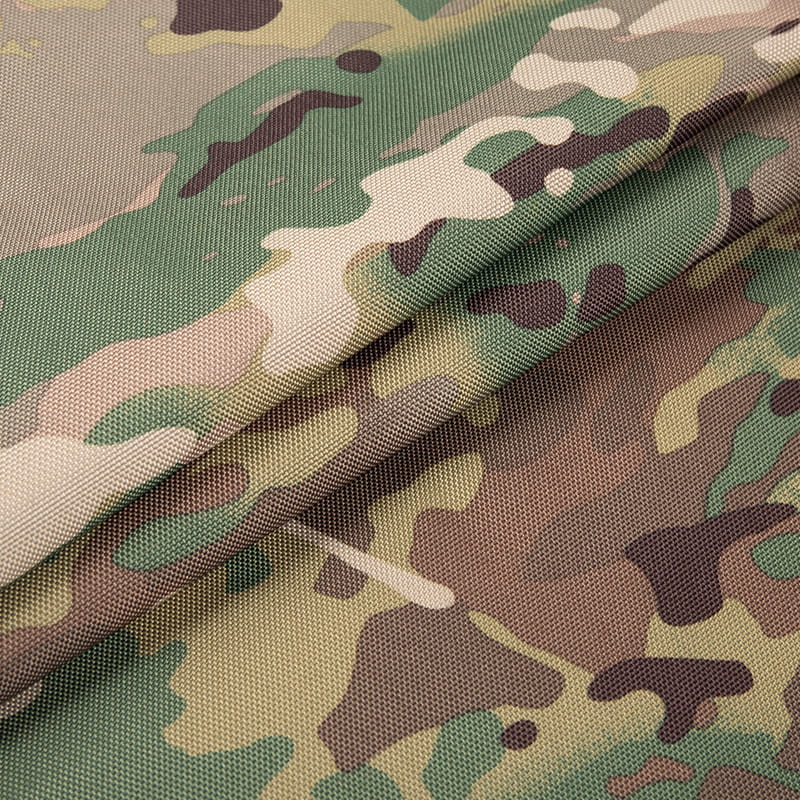
Polyester has been a widely used textile for decades due to its strength, durability, and affordability. From clothing and upholstery to industrial applications, plain polyester fabric has found its way into a wide range of uses. However, the demands of modern consumers and industries often require enhanced functionality that plain polyester alone cannot provide. This is where PU Coated Polyester Fabric comes into play. By applying a polyurethane (PU) coating to polyester, the material gains properties that significantly improve its performance, expanding its usability and longevity.
1. Enhanced Water Resistance
One of the most significant advantages of PU Coated Polyester Fabric is its water resistance. Plain polyester has a naturally hydrophobic nature, meaning it repels water to some degree. However, it is not fully waterproof, and prolonged exposure to moisture can lead to saturation. In contrast, the PU coating forms a continuous barrier over the fabric’s surface, preventing water from penetrating.
This property makes PU Coated Polyester Fabric ideal for outdoor applications such as tents, raincoats, backpacks, and protective covers. Unlike plain polyester, which may absorb moisture or require additional waterproof treatments, PU-coated fabric maintains reliable water resistance over time.
2. Improved Flexibility and Softness
While plain polyester is relatively stiff compared to natural fibers, PU Coated Polyester Fabric offers enhanced flexibility and a softer hand feel. The polyurethane layer adds a smooth and slightly elastic surface, which makes the fabric more comfortable for wearable applications and easier to manipulate during manufacturing processes.
This combination of flexibility and softness is particularly advantageous for products like jackets, bags, and upholstery, where both comfort and durability are essential. Plain polyester, in contrast, can feel rigid or less pliable, limiting its application in certain consumer goods.
3. Increased Durability and Tear Resistance
PU Coated Polyester Fabric exhibits higher durability compared to plain polyester. The coating reinforces the fabric structure, reducing the likelihood of tearing, fraying, or abrasion under stress. This makes it well-suited for heavy-duty applications, including luggage, tarpaulins, and industrial covers.
Plain polyester is strong on its own but can wear down more quickly under rough usage or frequent folding. The PU layer acts as a protective shield, extending the service life of the material and reducing maintenance or replacement costs.
4. Better Chemical and Stain Resistance
Another advantage of PU Coated Polyester Fabric is its resistance to chemicals, oils, and stains. The smooth polyurethane layer prevents substances from penetrating the fabric, making cleaning easier and minimizing damage from accidental spills or exposure to industrial chemicals.
In comparison, plain polyester absorbs stains more readily and may require special cleaning treatments. This makes PU-coated fabrics particularly useful in medical, laboratory, and food service applications where cleanliness and hygiene are priorities.
5. Enhanced Aesthetic Appearance
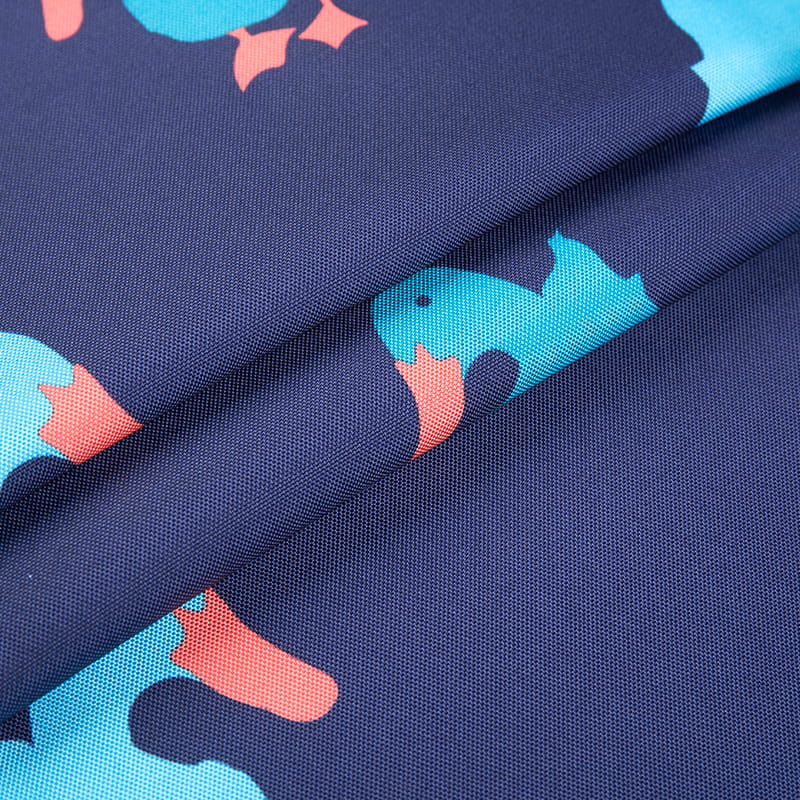
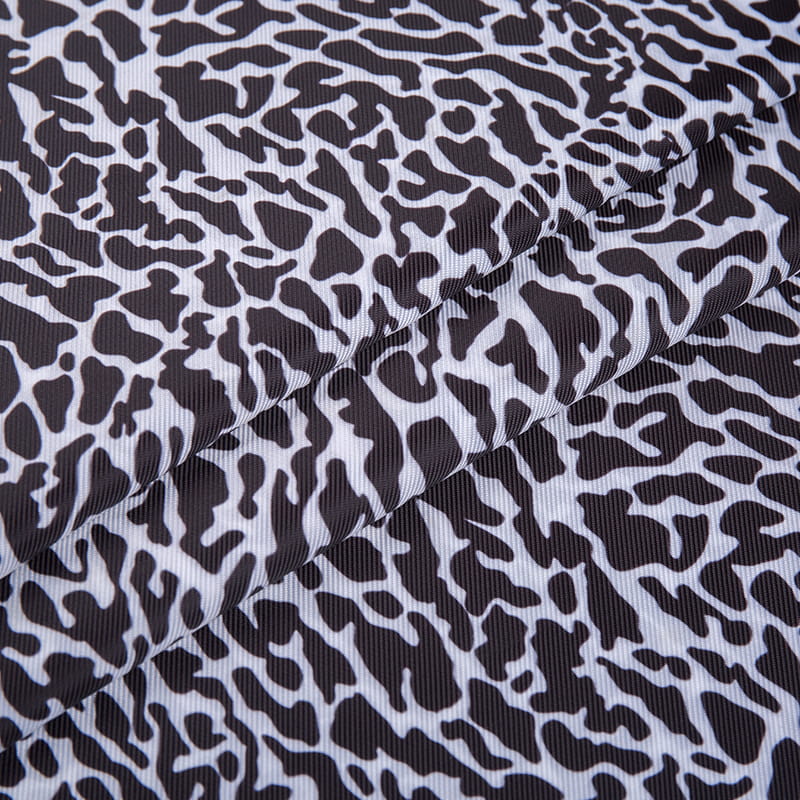
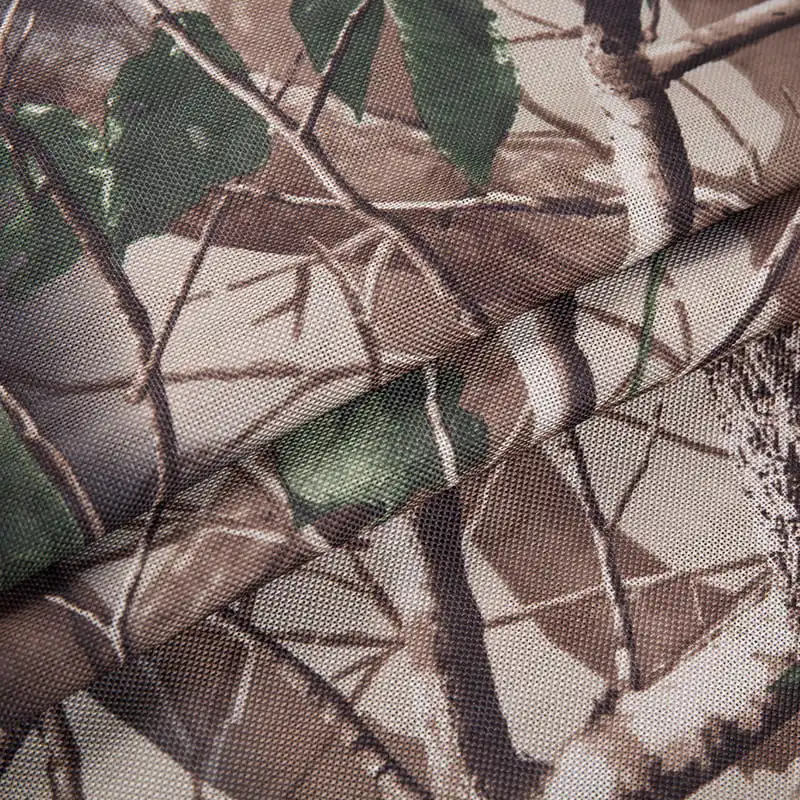
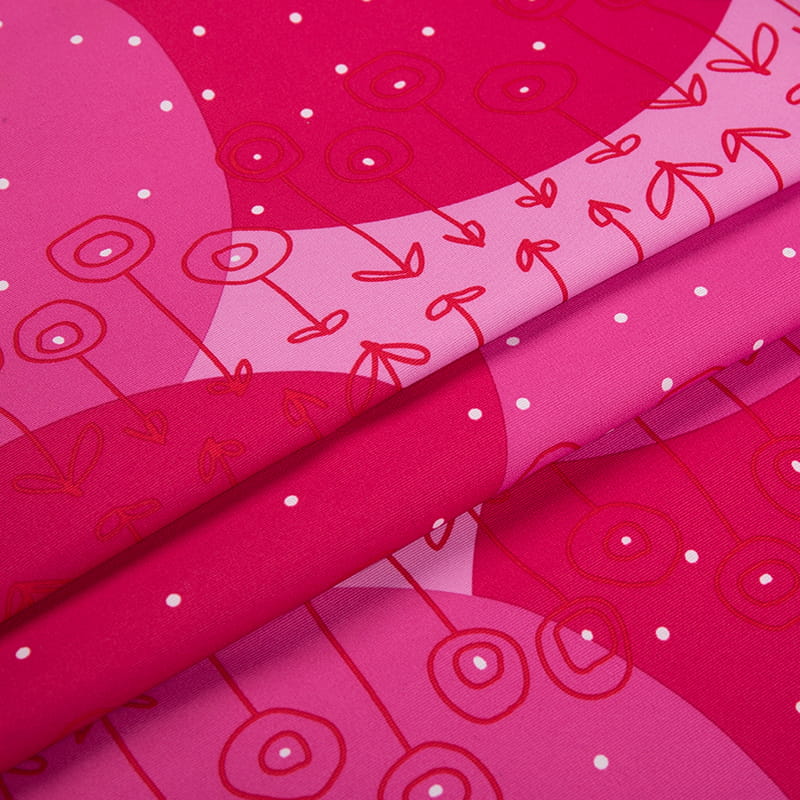
PU Coated Polyester Fabric also offers superior aesthetic versatility. The coating can provide a glossy, matte, or textured finish, enhancing the visual appeal of the material. Designers often prefer PU-coated fabrics because they allow for a wide range of colors, patterns, and surface effects that are difficult to achieve with plain polyester alone.
Additionally, the smooth surface of PU Coated Polyester Fabric prevents wrinkles and maintains a polished appearance, which is particularly desirable in fashion, upholstery, and interior decoration.
6. Breathability and Comfort Options
While polyurethane coatings are often associated with waterproofing, modern PU Coated Polyester Fabric can be engineered to retain breathability. Microporous PU coatings allow air and moisture vapor to pass through while blocking liquid water, making them ideal for performance apparel like rain jackets and sports gear.
Plain polyester lacks this specialized functionality. Although it can wick moisture to some extent, it does not offer the same level of protection against external water while maintaining comfort. PU Coated Polyester Fabric bridges this gap, combining protection with wearability.
7. Lightweight and Versatile
Despite the additional PU coating, PU Coated Polyester Fabric remains lightweight, preserving one of polyester’s original advantages. This makes it highly versatile for applications where weight matters, such as tents, outdoor gear, inflatable structures, and travel accessories.
Plain polyester can also be lightweight, but without the PU coating, it may require additional layers or treatments to achieve water resistance or durability, which adds bulk and reduces flexibility.
8. Resistance to UV and Environmental Factors
PU Coated Polyester Fabric can be treated to provide UV resistance, preventing degradation from prolonged sun exposure. This is particularly important for outdoor products such as awnings, tents, and covers. The PU coating can act as a barrier against sunlight, reducing fading and brittleness over time.
Plain polyester, while relatively resistant to sunlight compared to natural fibers, can still fade and weaken when exposed to harsh UV conditions for extended periods. PU-coated fabrics offer an added layer of protection for longer-lasting performance outdoors.
9. Ease of Maintenance and Cleaning
The smooth surface of PU Coated Polyester Fabric makes it easier to maintain than plain polyester. Dirt and spills are less likely to penetrate the coating, allowing for simple cleaning with a damp cloth or mild detergent. In contrast, plain polyester may trap dirt within its fibers, requiring more thorough washing and care.
This property is particularly valuable for items that are frequently exposed to dirt, such as outdoor furniture, backpacks, or protective clothing.
10. Cost-Effectiveness in the Long Term
While PU Coated Polyester Fabric may have a higher initial cost compared to plain polyester, its enhanced durability, water resistance, and longevity make it cost-effective over time. Products made from PU-coated fabric require less frequent replacement, perform reliably under harsh conditions, and maintain their appearance longer.
Plain polyester may be less expensive upfront, but its limitations in performance, protection, and lifespan can result in higher long-term costs for both consumers and industries.
11. Specialized Industrial Applications
PU Coated Polyester Fabric opens up opportunities for specialized industrial uses that plain polyester cannot easily accommodate. For example:
- Protective tarps and covers for machinery
- Medical gowns and cleanroom apparel
- Air and liquid filtration membranes
- Inflatable structures and airbags
The PU coating provides specific functional properties, such as impermeability, chemical resistance, and abrasion resistance, which plain polyester alone cannot achieve.
Conclusion
In summary, PU Coated Polyester Fabric offers a range of advantages over plain polyester, making it a preferred material for both consumer and industrial applications. The key benefits include:
- Superior water resistance and waterproofing
- Enhanced flexibility and comfort
- Greater durability and tear resistance
- Chemical, stain, and oil resistance
- Improved aesthetic appeal with versatile finishes
- Breathability with protective coatings
- Lightweight yet highly versatile
- Resistance to UV and environmental damage
- Easier maintenance and cleaning
- Long-term cost-effectiveness
- Suitability for specialized industrial applications
While plain polyester remains a reliable and widely used fabric, PU Coated Polyester Fabric addresses many of its limitations, offering improved functionality, longevity, and comfort. Whether for outdoor gear, fashion, or industrial uses, PU-coated fabrics provide a practical and durable solution that meets the demands of modern life.
By understanding these advantages, manufacturers, designers, and consumers can make informed decisions when choosing fabrics for their specific needs, ensuring that the material they select delivers both performance and value.