

 English
 Español
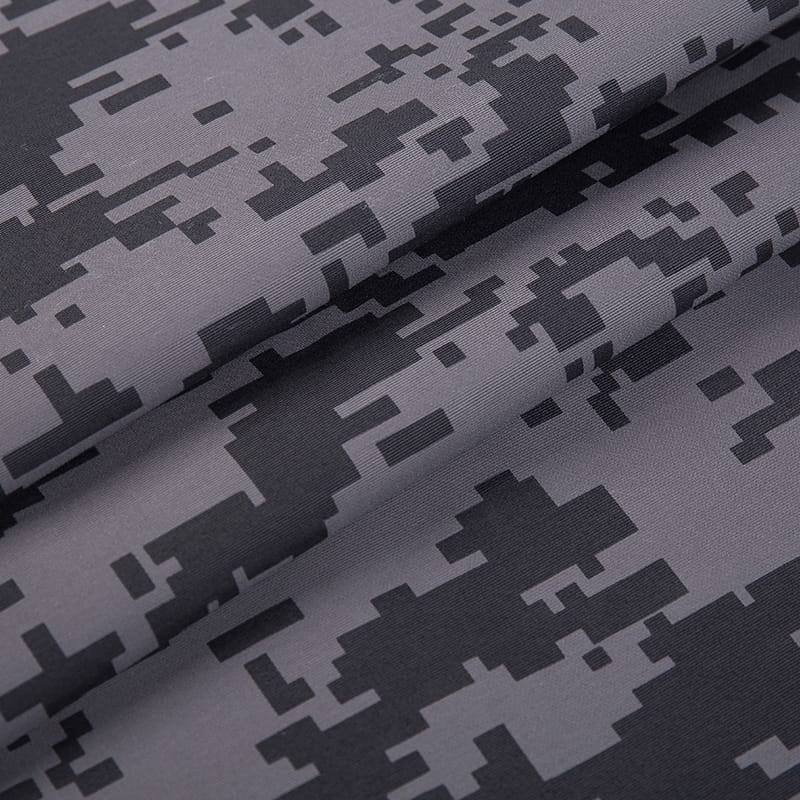
PU Coated Polyester Fabric has become increasingly popular across a variety of industries, from outdoor gear and medical textiles to automotive interiors and protective clothing. Its unique combination of polyester strength and polyurethane (PU) coating makes it highly versatile, but one of the most common questions is about its flexibility. Understanding this property is essential for anyone looking to use this material effectively.
What Is PU Coated Polyester Fabric?
Before delving into flexibility, it is important to understand the composition of PU Coated Polyester Fabric. Polyester fabric itself is a synthetic fiber known for its strength, durability, and resistance to stretching and shrinking. When coated with a layer of polyurethane, it gains additional properties, including water resistance, chemical resistance, and a smoother surface. The PU coating also affects the fabric’s flexibility, making it slightly more pliable than plain polyester, while still maintaining structural integrity.
Factors Affecting Flexibility
The flexibility of PU Coated Polyester Fabric is not a fixed attribute; it can vary depending on several factors:
1. Thickness of the PU Coating
One of the most significant factors is the thickness of the polyurethane layer. Thinner coatings allow the fabric to remain more flexible and softer to the touch, making it suitable for applications like clothing, bags, or upholstery where draping is important. Thicker coatings, while more durable and resistant to abrasion, will make the fabric stiffer and less flexible, which may be desirable in applications requiring structural support, such as tents or protective covers.
2. Type of Polyester Base
The weave and density of the underlying polyester fabric also impact flexibility. Lightweight polyester fabrics naturally have more give and movement, while heavier, tightly woven polyester fabrics are stiffer. When combined with PU coating, the overall flexibility is determined by both layers. A lightweight polyester with a thin PU coating will be highly flexible, whereas a heavy-duty polyester with a thick PU coating will be relatively rigid.
3. Temperature and Environmental Conditions
PU Coated Polyester Fabric responds to temperature and environmental factors. At lower temperatures, the PU layer can become less pliable, making the fabric feel stiffer. Conversely, warmth can soften the coating, improving flexibility. Humidity and prolonged exposure to sunlight may also affect the flexibility over time, as UV radiation can degrade both polyester fibers and PU coatings, causing them to lose some elasticity.
4. Quality of the PU Coating
Not all PU coatings are created equal. High-quality polyurethane coatings are engineered to retain flexibility over extended use, while cheaper coatings may crack, peel, or become brittle, especially in demanding environments. Manufacturers may use additives in the PU to improve elasticity and longevity, so the choice of fabric supplier can significantly impact how flexible the fabric remains in practice.
Practical Implications of Flexibility
Understanding the flexibility of PU Coated Polyester Fabric is important for selecting the right material for specific applications:
1. Outdoor Gear and Protective Equipment
For tents, backpacks, and rainwear, flexibility is crucial for ease of handling and comfort. PU Coated Polyester Fabric in these applications is often designed to balance durability with flexibility, allowing items to be folded or compressed without damage.
2. Upholstery and Furniture
In furniture and automotive interiors, flexibility affects how well the fabric conforms to surfaces. Too stiff, and it may wrinkle or fail to adhere smoothly; too soft, and it may wear prematurely. Manufacturers typically choose a medium-thickness PU coating for a balance between resilience and flexibility.
3. Medical Textiles and Apparel
In medical garments and wearable items, flexibility ensures comfort and freedom of movement. Thin PU coatings on lightweight polyester are ideal here, as they provide the necessary water and chemical resistance without restricting motion.
4. Industrial Applications
For industrial covers, tarpaulins, and conveyor belts, flexibility may be less critical than durability. In these cases, thicker PU coatings may be preferred, sacrificing some pliability for enhanced strength and resistance to abrasion, chemicals, and environmental exposure.
How to Test Flexibility
For manufacturers and end-users, assessing flexibility is an important step. Several practical methods exist:
- Bend Test: Gently fold or crease the fabric to see how easily it moves and whether the PU coating cracks.
- Drape Test: Lay the fabric over a curved surface to observe how smoothly it conforms.
- Stretch and Recovery Test: Apply a slight tensile force to see how well the fabric returns to its original shape.
- Long-Term Flexibility: Consider simulating environmental conditions such as heat, cold, or moisture to evaluate how the material performs over time.
Tips for Maintaining Flexibility
Proper care can help preserve the flexibility of PU Coated Polyester Fabric:
- Avoid prolonged exposure to direct sunlight and UV light.
- Clean gently with mild detergents and avoid harsh chemicals.
- Store in a cool, dry place to prevent stiffness from environmental effects.
- Avoid folding the fabric sharply or for long periods, as repeated stress may cause cracks in the PU coating.
Conclusion
PU Coated Polyester Fabric offers a remarkable balance of strength, durability, and flexibility. Its pliability depends on the thickness of the PU coating, the type of polyester base, environmental conditions, and the quality of manufacturing. By understanding these factors, designers, manufacturers, and consumers can select the appropriate fabric for a wide range of applications—from flexible outdoor gear to durable industrial coverings. While flexibility is just one of many properties to consider, it plays a key role in ensuring that PU Coated Polyester Fabric performs well in both everyday use and specialized applications.