

 English
 Español
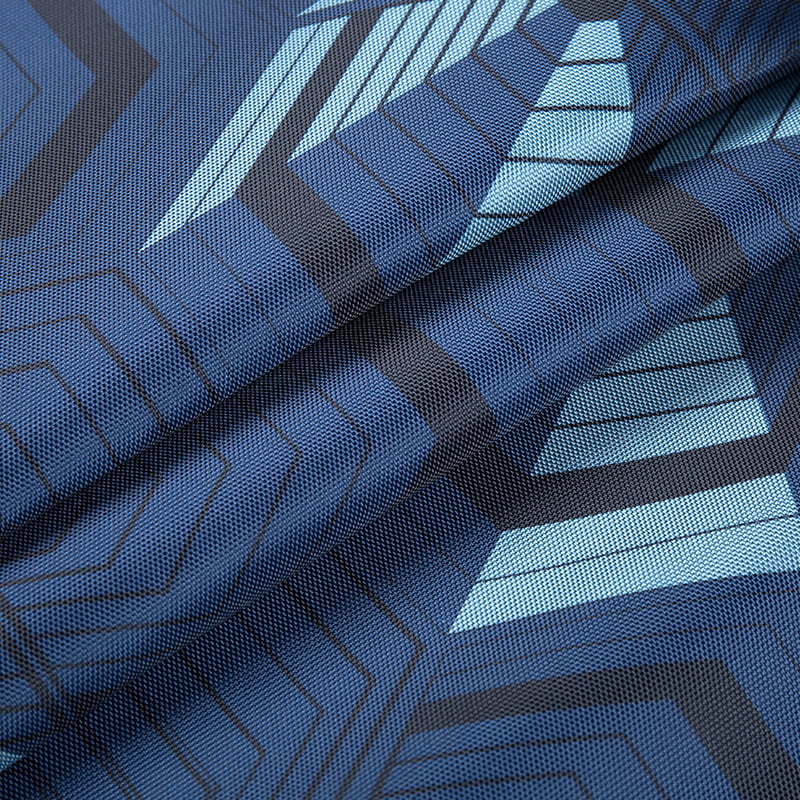
Understanding What Anti Static Fabric Is
Anti static fabric is designed to reduce or eliminate the buildup of static electricity on textile surfaces. Static forms when electrical charges accumulate due to friction, low humidity, or contact between different materials. In normal fabrics, this can cause clinging, sparks, dust attraction, or even damage to sensitive electronics. Anti static fabrics address this problem by dispersing electrical charges safely and gradually.
These fabrics are commonly engineered by incorporating conductive fibers, chemical finishes, or moisture-absorbing structures. Rather than preventing friction altogether, they manage how electrical energy behaves within the textile. This makes them especially valuable in environments where static discharge could cause discomfort, contamination, or operational risk.
How Anti Static Fabrics Work in Practice
The effectiveness of anti static fabric depends on how efficiently it neutralizes electrical charge. Most solutions fall into two practical mechanisms: conductivity and dissipation. Conductive fibers create a low-resistance path for charges to travel, while dissipative finishes slow the buildup and release energy gradually.
Conductive Fiber Integration
Some fabrics are woven or knitted with carbon, stainless steel, or metal-coated synthetic fibers. These fibers are not meant to conduct electricity like wires, but rather to distribute static evenly across the fabric surface. This approach is durable and often used in workwear and industrial garments where repeated washing is expected.
Chemical and Topical Treatments
Another common method involves applying anti static agents during fabric finishing. These chemicals attract moisture from the air, increasing surface conductivity. While effective, this approach may lose performance over time due to laundering or abrasion, making maintenance an important consideration.
Common Applications of Anti Static Fabric
Anti static fabrics are chosen based on practical needs rather than appearance alone. Their applications are usually tied to safety, cleanliness, or comfort. Understanding where they are used can help buyers select the appropriate material for their situation.
- Electronics manufacturing and cleanrooms, where static discharge can damage components
- Industrial and petrochemical workwear, reducing spark-related hazards
- Office and hospitality uniforms, minimizing fabric cling and dust attraction
- Home textiles such as curtains and upholstery in dry climates
Material Choices and Their Performance
Not all anti static fabrics perform the same way. Material composition plays a significant role in durability, comfort, and effectiveness. Some fibers naturally resist static better than others, while blends allow manufacturers to balance cost and performance.
| Material Type | Anti Static Method | Typical Use |
| Polyester with carbon fiber | Conductive yarn grid | Industrial uniforms |
| Cotton blends | Moisture absorption | Comfort-focused workwear |
| Nylon treated fabric | Chemical finish | Lightweight garments |
Key Factors When Choosing Anti Static Fabric
Selecting the right anti static fabric requires matching performance characteristics with real-world conditions. Over-specifying can increase costs, while under-specifying may lead to safety or comfort issues.
- Durability of anti static properties after repeated washing
- Environmental humidity and temperature where the fabric will be used
- Required balance between comfort, breathability, and protection
- Compliance with workplace or industry safety standards
Care and Maintenance for Long-Term Effectiveness
Proper care is essential to preserve the anti static performance of fabric. Incorrect washing methods can strip chemical finishes or damage conductive fibers, reducing effectiveness over time.
Using mild detergents, avoiding fabric softeners, and following manufacturer temperature guidelines can help extend service life. For garments used in professional settings, periodic performance testing may be advisable to ensure ongoing protection.
Practical Takeaways for Everyday Use
Anti static fabric is not only for specialized industries; it can also improve comfort and cleanliness in daily life. Understanding how different materials achieve static control allows users to make informed decisions based on actual needs rather than marketing claims.
By focusing on application, material construction, and proper care, anti static fabrics can provide consistent performance and long-term value without unnecessary complexity.